Psychological Transition in Leadership
What do we mean by psychological transition in your leadership? Like any learned and practiced skill set, leadership is expressed differently by seasoned, trained veterans and new leaders, often described as leadership maturity.
Time and experience do not always align with leadership maturity. Focused effort, reflection, and application move a leader into higher levels of maturity. Among the models that help define maturity, the Leadership Maturity Model and the Barrett Values Model provide clear guidance on what constitutes a mature leader.
Leadership Maturity Models That Clarify the Transition
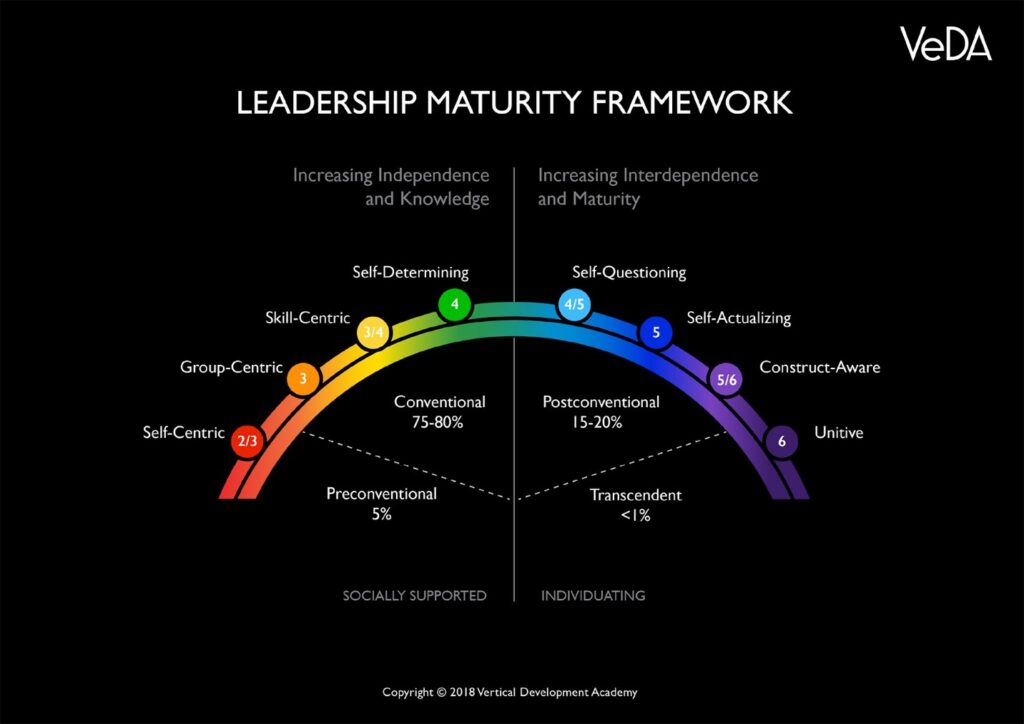
Leadership Maturity Model
The Leadership Maturity Model highlights the leader’s mindset, emotional intelligence, and social intelligence. It describes how leaders make sense of complexity, relate to others, and choose responses that fit the context.
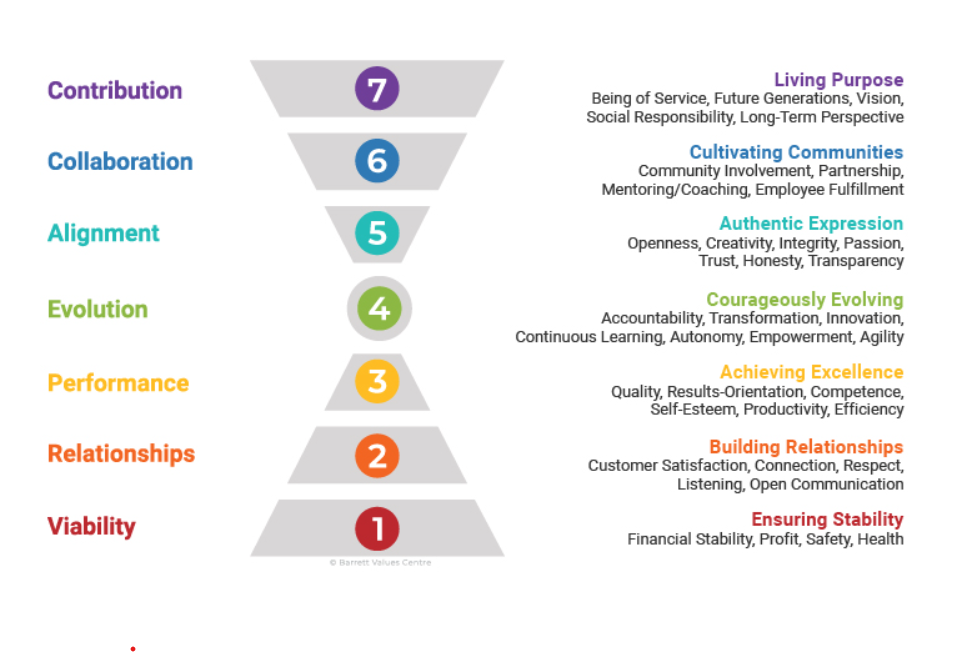
Barrett Values Model
The Barrett Values Model clarifies actions and outcomes. It maps how values evolve as leaders shift from self and group focus to a broader contribution to society, and from short-term priorities to long-term stewardship.
Both models show a similar progression, from group to society and from short-term to long-term focus. They offer a shared language for the psychological transition leaders experience as they grow.
Few Reach Transcendental Leadership
We agree with the Maturity Leadership Framework when it states that less than one percent of leaders are transcendental. In my years of coaching and working for and with leaders, I have only come across two people I would place in the highest category, which the Vertical Development Academy defines as All-Embracing and Witnessing.
Our ongoing research focuses on the commonalities between models, including the Leadership Maturity Model and the Barrett Values Model, to develop a workable construct that guides companies seeking a true understanding of their leadership capabilities.
Where Are You in the Leadership Maturity Model?
Consider where you are in your psychological transition. What mindsets and values shape your choices? What outcomes signal a broader, longer-term contribution? These questions help leaders and teams focus their development with intention.
Partner With Sage & Summit
We help organizations assess leadership maturity and accelerate growth through leadership coaching, team coaching, and executive coaching. If you want clarity on where your leaders are today and what it will take to reach the next level, we are ready to support you.